


Useful information about Kiev and Ukraine |
Welcome to Kyiv and Ukraine
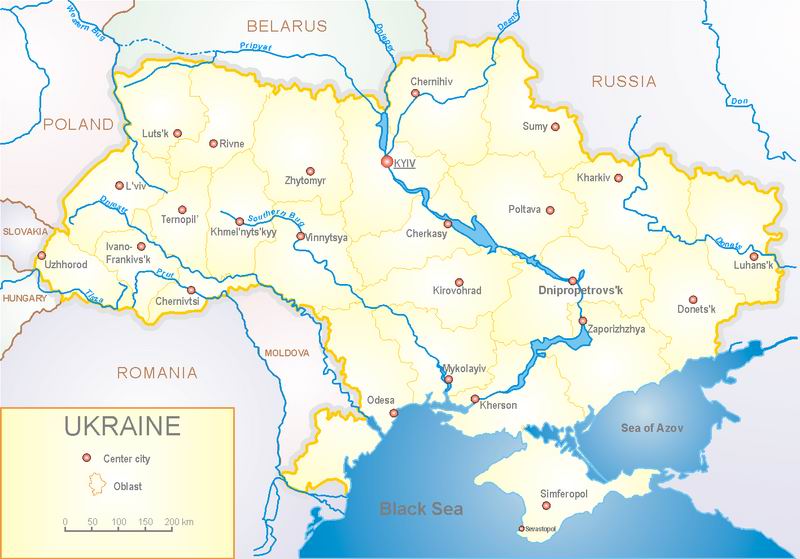
Kyiv is the capital of Ukraine, a country in the heart of Central-Eastern Europe. The landscape stretches from the Carpathian Mountains in the west to the Black Sea and the Sea of Azov in the south, covering roughly 603,700 square kilometres. The climate is mostly temperate, with warm summers and cold winters, making late spring and early autumn especially pleasant for sightseeing and city walks.
National Holidays
Ukrainians celebrate both fixed-date and religious holidays. Orthodox Easter and Holy Trinity Day follow the lunar calendar, so their dates change each year. The main public holidays you should know are:
- New Year′s Day — January 1
- Christmas — January 7 (Orthodox) and December 25
- International Women′s Day — March 8
- Labour Day / Spring Day — May 1
- Day of Remembrance and Reconciliation — May 8
- Constitution Day — June 28
- Independence Day — August 24
- Defender′s Day — October 14
- Orthodox Easter — movable date (spring)
- Holy Trinity Day — movable date (summer)
- Kyiv Day — last Sunday of May
Time Zone
Ukraine operates on Eastern European Time (EET, UTC+2). Daylight saving time is observed: clocks move forward one hour on the last Sunday in March and back on the last Sunday in October. Most businesses open between 09:00 and 10:00 and close between 18:00 and 20:00. Supermarkets, cafés and restaurants in central Kyiv often stay open until 22:00 or later.
Money and Payments
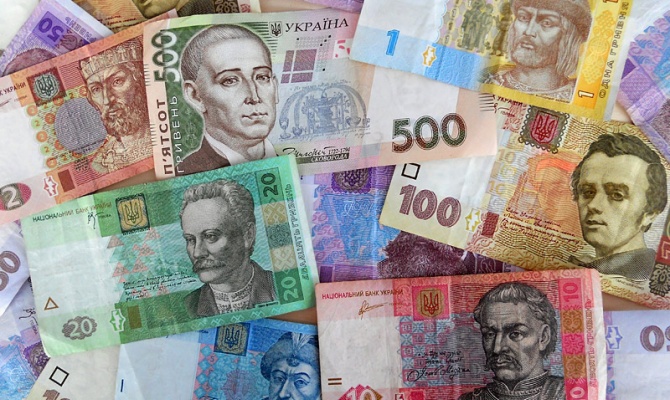
The official currency is the Ukrainian hryvnia (UAH). It is subdivided into 100 kopiykas. All everyday payments are made in hryvnia. Foreign currency can be exchanged at banks and licensed exchange offices, which are widely available across Kyiv.
Card payments by Visa and Mastercard are accepted in most hotels, restaurants, supermarkets and large stores. However, it is wise to carry some cash for small purchases, local markets, public transport and tips. ATMs are easy to find in the city centre. Tipping in restaurants and cafés is customary and appreciated, usually around 5–10 % of the bill.
Getting Around
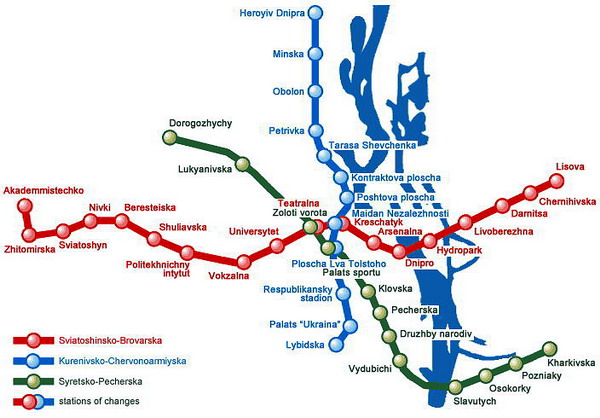
Metro. The Kyiv Metro is the fastest, safest and most reliable way to travel around the capital. Station names are shown in both Ukrainian and English, and modern ticket machines accept cash and cards. The network covers all major districts and tourist sites, including the city centre, railway stations and main avenues.
Taxi and ride-hailing. Taxis are affordable by European standards. We recommend using international ride-hailing apps such as Uber or Bolt, which offer fixed fares, English-language support and cashless payment. Street-hailed private taxis are best avoided, as prices are unregulated and drivers rarely speak English.
Buses, trolleybuses and trams. Public surface transport covers areas beyond the metro network. Most buses and trams are equipped for contactless card payment, although some older vehicles still require exact cash in hryvnia. During rush hours, expect crowded conditions.
Walking. Central Kyiv is surprisingly walkable. The historic Upper Town, Khreshchatyk Street, Maidan Nezalezhnosti and many parks are all within comfortable walking distance of one another.
Language
The official state language is Ukrainian. In Kyiv, the younger generation and service-industry staff in hotels, restaurants and tourist attractions increasingly speak English. Russian is understood by many older residents, but using Ukrainian is both respectful and appreciated.
For a deeper experience, consider hiring an English-speaking guide or downloading a Ukrainian phrasebook app before arrival. Street signs, metro maps and museum information in the city centre are usually bilingual.
Major Cities to Visit
Beyond Kyiv, Ukraine offers a rich variety of destinations:
- Kyiv — the capital, known for golden-domed churches, deep history and vibrant modern culture
- Lviv — a UNESCO-listed city in the west, famous for coffee culture, baroque architecture and cobbled streets
- Odesa — the storied port on the Black Sea with elegant 19th-century boulevards and a renowned opera house
- Kharkiv — Ukraine′s second-largest city, a centre of student life, constructivist architecture and wide avenues
- Dnipro — a modern industrial and technological hub stretching along one of Europe′s longest rivers
Each city has its own character, cuisine and local traditions, making Ukraine a rewarding destination for curious travellers.
Quick Practical Tips
- Electrical sockets are Type C and F (European standard, 220 V). Bring a universal adapter if needed.
- Emergency numbers: 101 (fire), 102 (police), 103 (ambulance). The unified line 112 also works.
- Tap water is technically safe but generally not pleasant to drink; bottled or filtered water is recommended.
- Free Wi-Fi is available in most hotels, cafés, restaurants and shopping malls.
- Dress modestly when visiting churches and monasteries: shoulders and knees should be covered.
For any questions about your upcoming trip to Kyiv, or to book a private guided tour, please contact us via our Contacts page or use the booking form.
