



Parks & avenues |
Parks, Gardens and Outdoor Attractions in Kyiv
Kyiv is a surprisingly green city. Parks, islands and gardens weave through the urban landscape, offering residents and visitors alike a welcome escape from the pace of city life. Here are four of the finest outdoor destinations in the Ukrainian capital.
M.M. Hryshko National Botanical Garden
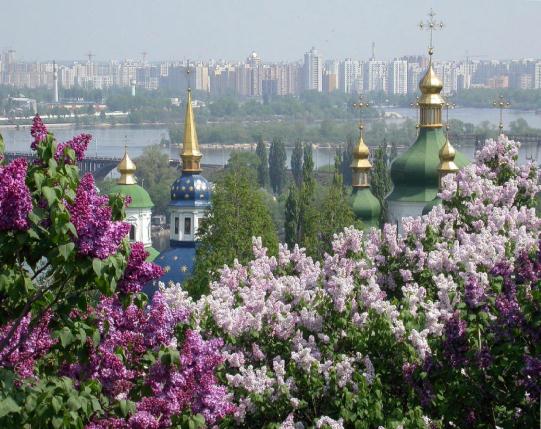
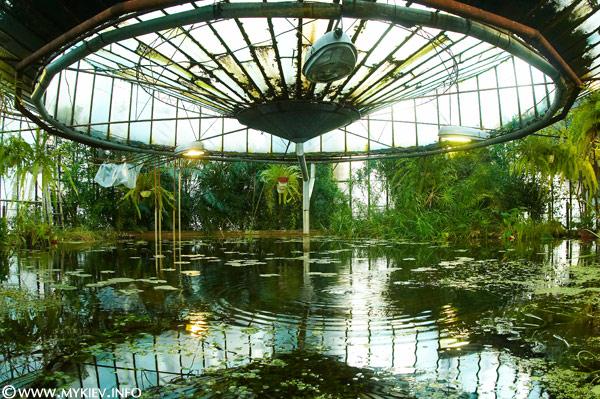
Known to Kyivites as the “Blooming Heart of Ukraine”, the M.M. Hryshko National Botanical Garden of the National Academy of Sciences of Ukraine is one of the largest botanical gardens in Europe. Founded in 1935 and covering approximately 130 hectares on the historic Pechersk hills, the garden contains around 13,000 species and varieties of plants from every continent — from towering conifers and fragrant lilac alleys to peony meadows, rose gardens, magnolia groves and exotic greenhouse collections. [web:907][web:908]
The garden houses eight scientific departments dedicated to plant introduction and acclimatisation, dendrology, the conservation of rare and endangered species, and the genetics of ornamental and fruit crops. It is part of Ukraine′s nature reserve fund, giving it the highest level of protection. For visitors, the garden offers a series of seasonal highlights: lilac blossom in May, roses in June and the spectacular Japanese garden in autumn. [web:910]
Immediately adjacent to the Botanical Garden stands the Vydubytsky Monastery, one of the oldest monastic complexes in Ukraine. Founded between 1070 and 1077 by Prince Vsevolod, son of Yaroslav the Wise, the monastery takes its name from the old Slavic word vydubaty — “to swim out” — a reference to an ancient legend in which the pagan idol Perun was cast into the Dnipro here. The monastery′s current appearance dates largely from the 18th century, when the five-domed St George′s Cathedral, the refectory and the bell tower were built in the distinctive Ukrainian baroque style. The combination of the garden′s seasonal blooms and the monastery′s ancient stonework makes this corner of Kyiv quite unlike anywhere else in the city.
Address: 1 Sadovo-Botanichna St, Kyiv | Tel: +38 044 285 4105 [web:908]
Hydropark
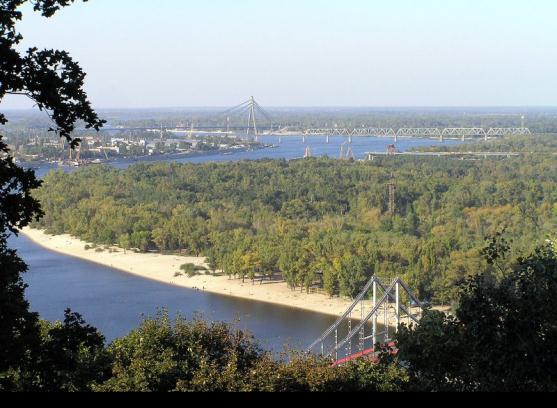
Hydropark is Kyiv′s most popular summer destination — a sprawling 188-hectare recreational island on the Dnipro River, accessible via a 144-metre reinforced-concrete bridge from the Hydropark metro station (on the blue line). The island appeared as a result of 19th-century floods, and local Kyivites once nicknamed it “Venice” for its waterways. It was developed into a public leisure park in the 1960s and has been a city institution ever since.
Hydropark offers a wide range of activities for all ages and interests:
- Beaches — several clean sandy beaches, including dedicated family zones with shallow water areas and children′s water slides
- Water sports — boat and pedal-boat rental, motor launches, water skiing and bungee jumping from the pedestrian bridge
- Sport facilities — an outdoor sports complex with open-air fitness equipment, volleyball and other courts
- Culture and events — a celebrated annual sand sculpture competition draws artists from across the world; music festivals and open-air concerts take place throughout summer
- Dining — a wide choice of bars, cafés and restaurants, some open until late into the evening
In the evenings Hydropark transforms into a lively entertainment zone, with nightclubs and open-air parties making it a popular spot for younger visitors during the warm months. For those who prefer calm, the park′s quieter wooded paths and river banks offer a pleasant alternative. The island is best visited between May and September.
Kyiv Zoo
Kyiv Zoo is one of the oldest zoological gardens in Eastern Europe, founded in 1908 by the Nature Lovers Society through private donations. Its early years were colourful: the first winter, the animals had to be housed in the food warehouses of the main railway station because no proper shelter had been arranged in time. By 1913 a permanent site had been established, and the zoo opened to the public in 1914. War, occupation and reconstruction shaped its history through the 20th century — during World War II, most of the animals were evacuated before the German military occupied the territory, and after liberation all were returned and the enclosures rebuilt.
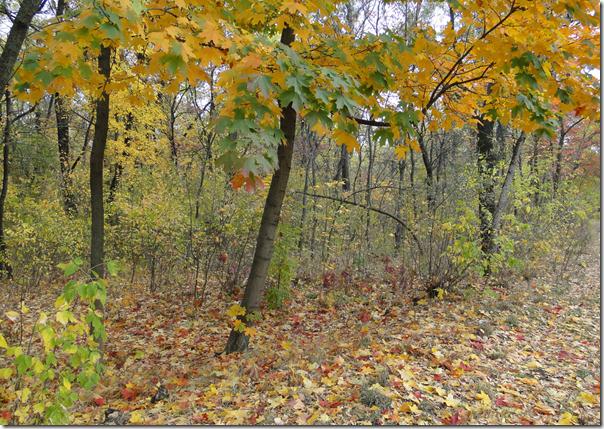
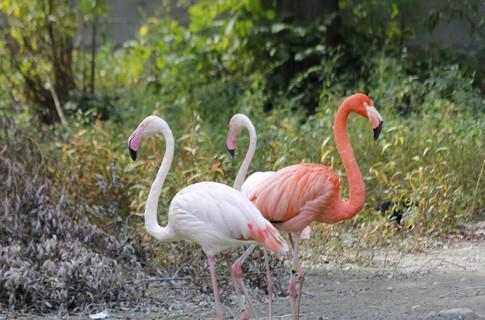
Today the zoo occupies 40 hectares in a central location, set on a naturally varied landscape that allows animals to live in conditions close to their native habitats. The collection numbers over 2,000 animals representing mammals, birds, reptiles, fish and insects, including a beloved pair of elephants. Over 130 species of trees and shrubs landscape the grounds. The zoo has been a member of the European Association of Zoos and Aquaria (EAZA) since 1996, and its scientific work focuses on the conservation and breeding of rare species including the Amur tiger, European bison and Przewalski′s horse.
Kyiv Zoo is an excellent destination for families with children of all ages, and the thoughtful landscaping makes it a genuinely pleasant walking experience even for visitors without a particular interest in zoology.

Trukhaniv Island
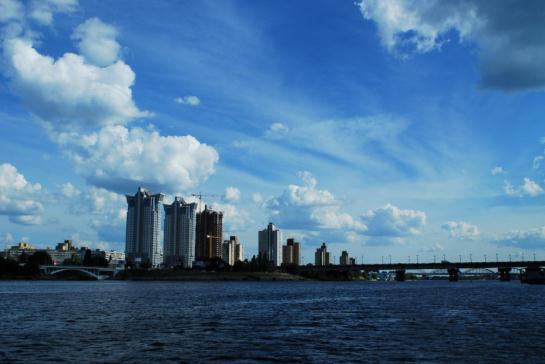
Trukhaniv Island is Kyiv′s largest river island and one of the most cherished natural retreats in the city. Located on the Dnipro River opposite the historic Podil district, the island is a green, car-free oasis reachable on foot via the Parkovy pedestrian bridge. After a major reconstruction in 2020, the island received new illuminated recreational zones, a redesigned entrance area and an improved bicycle route that loops through its forested interior. [web:914][web:916]
The island offers clean sandy beaches — including the popular Central Beach — along with boat rental centres, sports grounds and cafes. It is a paradise for cyclists, joggers and anglers, and its wooded paths are a favourite for peaceful evening walks. Bungee jumping from the pedestrian bridge attracts the more adventurous visitor. In 2023, Ukrainian environmental authorities supported a proposal to designate part of Trukhaniv Island as a protected nature reserve, recognising its unique vegetation and the presence of Red Listed plant species. [web:912]
The island′s name is linked to the Cuman Khan Tugorkan, whose summer residence once stood here. According to historical accounts, it was on this island in 1103 that Kyivan Rus princes gathered to plan their coordinated campaign against the Cuman tribes. Later the island passed to the Pustynno-Mykolsky Monastery before entering state ownership at the end of the 18th century. Today it is simply one of the most relaxing and beautiful places in Kyiv — beloved equally by locals and visitors.
All four destinations can easily be combined into a full day of outdoor exploration in Kyiv. If you would like a guided tour that includes the city′s best green spaces alongside its historic monuments, please contact us via our Contacts page or use the booking form.
